
What to Do After a Road Accident in Lebanon: Insurance and Claim Steps
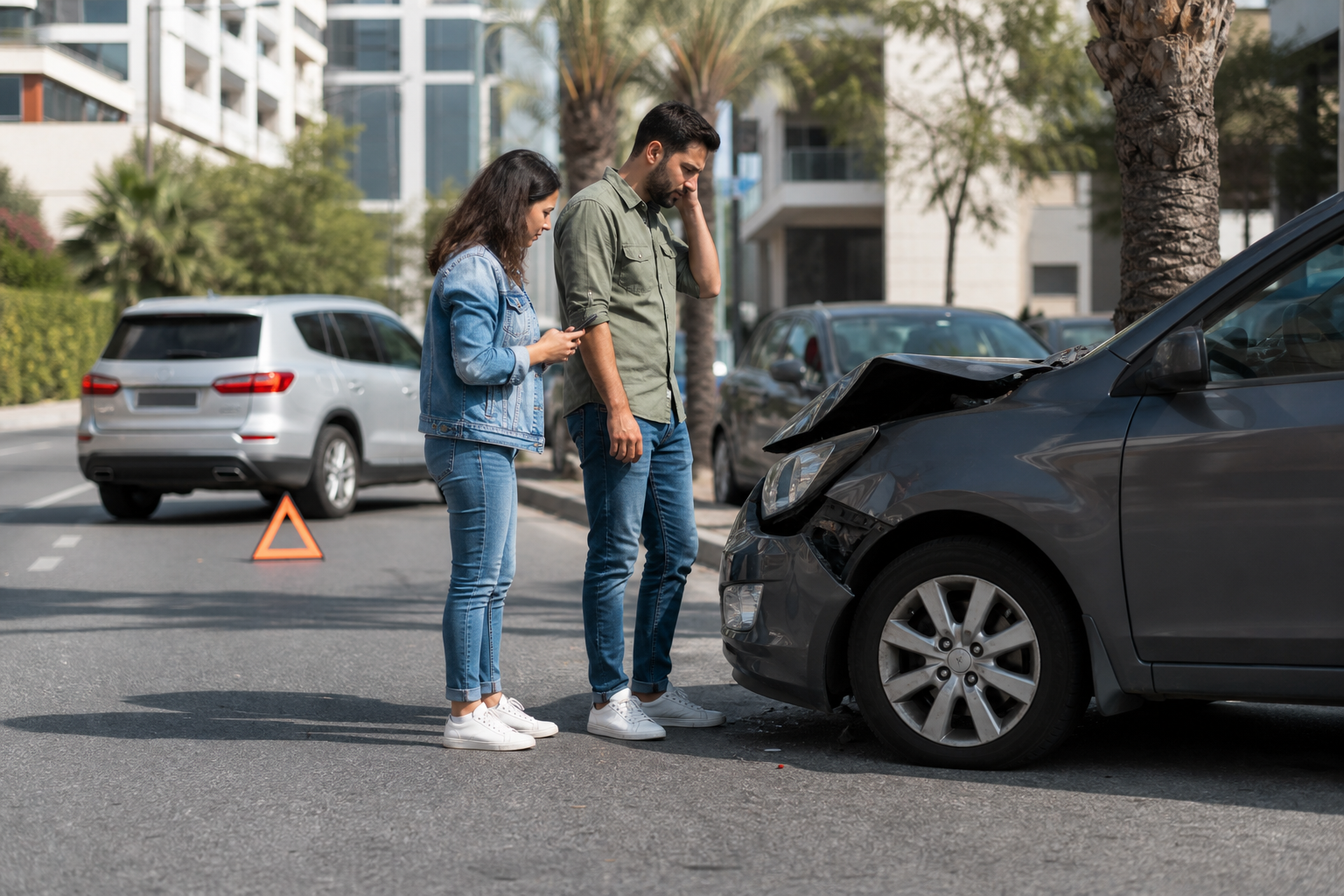
A road accident can be stressful, especially for a new driver or motorcycle rider. The first priority is always safety—not deciding who is responsible or discussing the value of the damage. After protecting people at the scene, drivers should follow the applicable Lebanese procedures, document the facts carefully and contact their insurance company as soon as reasonably possible.
This guide explains the general steps that may help after an accident in Lebanon. It does not replace the wording of your policy, instructions from the competent authorities or professional legal advice. Insurance conditions, required documents and claim procedures can differ between insurers, so always check your own policy and confirm current information with the relevant authority. For general official information about insurance regulation in Lebanon, consult the Insurance Control Commission.
1. Make the scene safe first
Stop in a safe way and switch on the hazard warning lights if they work. Look for immediate dangers such as moving traffic, fire, leaking fuel, broken glass, exposed electrical cables or a vehicle stopped in a dangerous position. Do not put yourself or another person at greater risk while trying to inspect the damage.
If somebody is injured, give only assistance that you can provide safely. Avoid moving an injured person unless leaving them where they are creates a more serious danger. Contact the competent emergency or security authorities when medical help, traffic control or an official report is required. The Internal Security Forces website can help readers identify official channels, but drivers should use the current emergency instructions applicable to their location.
Accidents involving motorcycles
Motorcycle riders may be especially vulnerable after a collision. Do not remove a helmet from an injured rider unless this is necessary to deal with an immediate life-threatening problem and you are trained to do so. Keep other traffic away from the injured person and wait for qualified assistance where possible.
2. Check people before checking the vehicles
Ask whether anyone needs medical assistance. Even apparently minor symptoms can become more serious later. If a person feels unwell, is bleeding, has difficulty breathing or may have suffered a head, neck or back injury, request medical assistance promptly.
Do not argue about fault at the roadside. A calm exchange of factual information is more useful than accusations. Do not promise payment, sign documents you do not understand or admit legal responsibility simply because the other driver is pressuring you.
3. Contact the appropriate authorities when necessary
The appropriate response can depend on injuries, the location and seriousness of the collision, damage to public property, disagreement between drivers and the instructions in your policy. Contact the relevant authorities when someone is injured, the road is blocked or dangerous, a driver appears impaired, a vehicle leaves the scene, there is a serious dispute or an official record may be needed.
Follow instructions from officers and medical personnel. Do not obstruct traffic more than necessary. If authorities ask you to move a vehicle, follow their direction unless doing so would create an immediate safety risk. Legal and administrative requirements can change, so verify current procedures rather than relying on old advice or social media messages.
4. Document the accident carefully
If it is safe and permitted, take clear photographs or video before vehicles are moved. Record:
- the position of the vehicles and the surrounding road;
- damage to every involved vehicle;
- number plates, road signs, lane markings and traffic signals;
- visible road conditions, lighting and weather;
- debris, skid marks or other relevant physical details; and
- contact details for witnesses who agree to provide them.
Write a short factual account while your memory is fresh. Note the date, approximate time, location, direction of travel and what happened immediately before the collision. Avoid speculation such as “the other driver was definitely speeding” unless you personally observed facts that support it.
Keep original photographs and do not edit them in a way that removes relevant information. If you use a phone, back up the files. Dash-camera footage can be useful, but do not place yourself in danger to obtain evidence.
5. Exchange information responsibly
Exchange the information reasonably required for the accident and insurance process. This may include the other driver’s name and contact details, vehicle registration number, insurer and policy information, and driving-licence details where appropriate. Ask to see documents rather than relying only on a handwritten number, but do not photograph or share personal documents unnecessarily.
Give accurate information about yourself. Do not agree to a private payment before understanding the damage and the possible consequences. A seemingly small bumper mark may hide mechanical or safety-related damage. If the other driver refuses to cooperate, threatens you or attempts to leave, do not chase them or place yourself in danger. Record the vehicle details and contact the competent authorities.
6. Notify your insurer and start the claim
Contact your insurer through the official number or channel shown in your policy as soon as reasonably possible. Ask which documents and forms are required and whether the vehicle must be inspected before repair. The insurer may request photographs, an authority report, a written statement, vehicle documents, a driving licence, policy details, repair estimates or information from witnesses. The exact list and deadlines depend on the policy and the insurer.
Be truthful and consistent. Explain what you know and clearly identify anything you do not know. Do not repair, dismantle or dispose of damaged parts before the insurer gives instructions if an inspection may be required. At the same time, do not leave a dangerous vehicle on the road merely to preserve evidence; arrange safe recovery and keep records of what was done.
Third-party and comprehensive cover
Third-party cover generally concerns liability for damage or injury caused to others, subject to the policy and applicable law. It does not automatically mean that damage to your own vehicle will be paid. Comprehensive or broader cover may protect against additional risks, but it remains optional unless a specific contractual or legal arrangement says otherwise. Theft, fire, collision damage, glass, roadside assistance, personal accident and other benefits may be subject to exclusions, deductibles, limits or conditions.
7. Read the policy before a problem occurs
A responsible driver should know where to find the policy number, insurer contact details, renewal information and assistance instructions. Read the sections describing:
- covered drivers and permitted vehicle use;
- territorial limits and excluded uses;
- reporting deadlines and claim documents;
- deductibles or amounts paid by the insured;
- exclusions, such as certain unauthorised uses or breaches of policy conditions;
- repair, inspection and assessment procedures; and
- how complaints or disagreements are handled.
Terms such as “deductible,” “exclusion,” “limit,” “endorsement” and “third-party liability” have practical consequences. Ask the insurer or licensed intermediary to explain unclear wording before purchasing or renewing. A lower premium is not automatically better if the protection does not match the vehicle and its use.
Common mistakes after an accident
- Leaving the scene without ensuring that injured people receive help.
- Arguing, threatening another road user or admitting fault under pressure.
- Moving vehicles or cleaning the scene before recording useful evidence, when it is safe to document it.
- Waiting too long to notify the insurer.
- Repairing the vehicle before checking whether an inspection is required.
- Assuming that comprehensive insurance covers every loss.
- Giving inaccurate information about who was driving or how the accident happened.
- Sharing accident photos or personal details publicly without considering privacy and safety.
Accident checklist for drivers in Lebanon
- Stop safely and activate hazard lights.
- Check for injuries and request appropriate assistance.
- Contact the competent authorities when required or when the situation is unsafe or disputed.
- Record the scene, damage, road conditions and witness details if safe.
- Exchange accurate driver, vehicle and insurance information.
- Do not sign or promise anything you do not understand.
- Notify your insurer through an official channel.
- Follow instructions about inspection, towing and repairs.
- Keep copies of reports, messages, photographs and claim references.
How driver training helps after an accident
Good training is not limited to passing a driving test. Learners should practise hazard awareness, safe stopping, defensive driving and calm decision-making. Karim Driving School can help learners prepare for a Lebanese driving licence and understand road responsibilities, but insurance decisions and claims must be checked with the driver’s insurer and the competent Lebanese authorities.
Conclusion
After a road accident in Lebanon, protect people first, contact the appropriate authorities when necessary, document facts carefully and notify the insurer without unnecessary delay. Never assume that a policy covers every type of damage or that another driver’s explanation is the final legal answer. Your policy wording, current official instructions and the specific facts of the accident determine the next steps.
Frequently asked questions
Should I move my vehicle after a collision?
Safety comes first. If the vehicle creates a danger or blocks traffic, follow the instructions of the competent authorities and move it only when it is safe. When possible, photograph its position before moving it.
Do I have to admit fault at the scene?
No. Exchange factual information and cooperate with authorities and your insurer, but avoid arguments and do not make legal admissions under pressure. Responsibility is assessed using the available facts and applicable rules.
What if the other driver has no insurance information?
Do not confront or chase the driver. Record the vehicle and scene details if safe, contact the competent authorities and notify your insurer. The available remedies depend on the circumstances and current Lebanese rules.
Can I repair my vehicle immediately?
Ask your insurer first. The policy may require an inspection or approval before repairs. Emergency steps to make a dangerous vehicle safe should be documented and discussed with the insurer.
Does third-party insurance pay for my own vehicle?
Not normally as a general rule. Third-party liability cover is primarily concerned with liability to others, while damage to your own vehicle may require broader optional cover and may still be subject to conditions and exclusions.
What documents should I keep after reporting a claim?
Keep the claim reference, policy details, photographs, authority records, correspondence, repair estimates and receipts. Your insurer may request additional documents.
Can advice from another driver replace my policy terms?
No. Policies differ. Use general guidance only as a starting point and confirm coverage, deadlines and required documents directly with your insurer.