
Driving Theory Test Lebanon: A Complete Preparation Guide
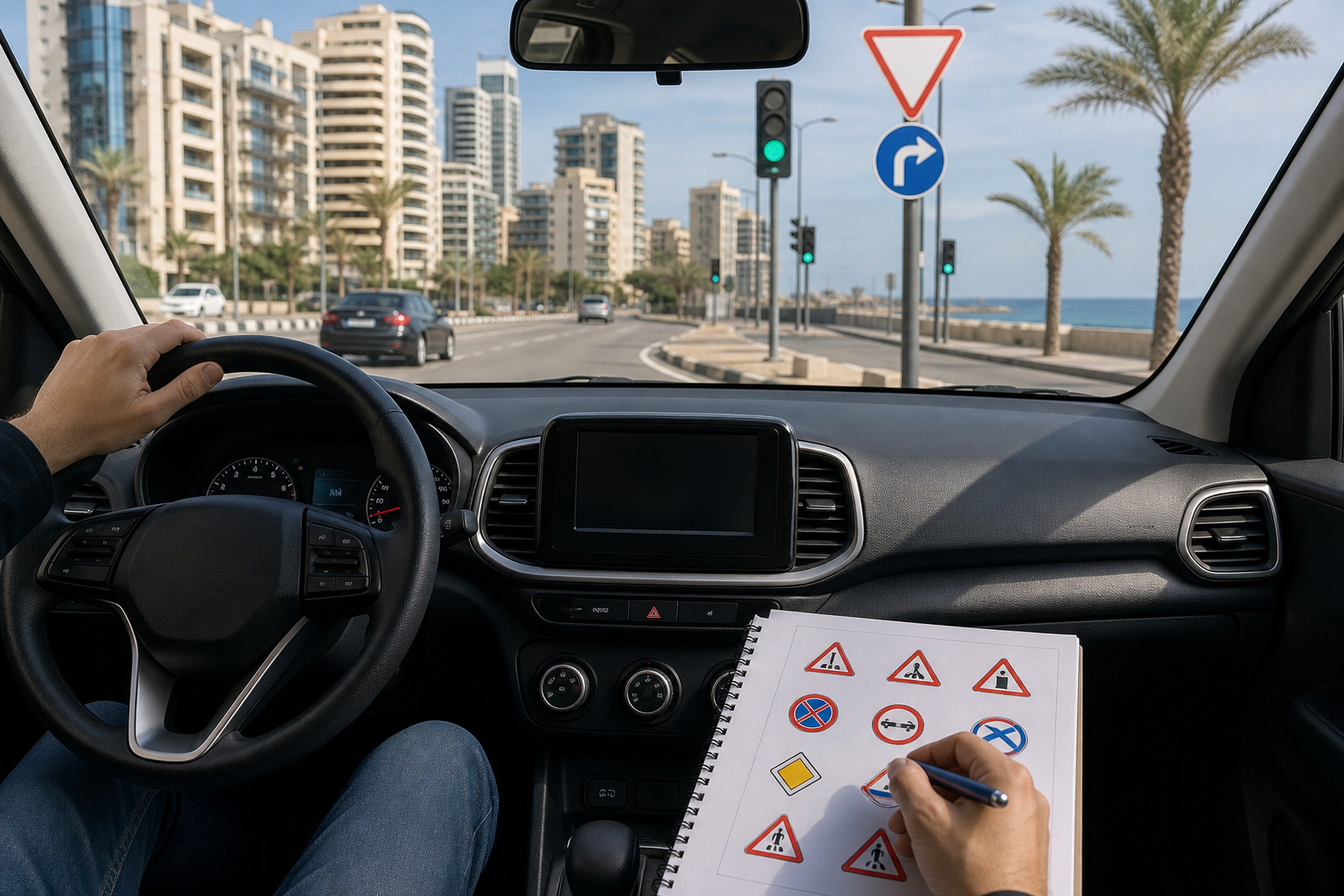
Preparing for the Driving Theory Test Lebanon is an important step toward becoming a safe and confident driver. The test checks whether you understand the basic rules of the road, recognize traffic signs and know how to respond responsibly to different driving situations. Good preparation is not only about passing the Lebanon Driving Test; it also helps you make safer decisions once you begin driving independently.
This guide from Karim Driving School explains how to organize your study, what topics deserve the most attention and how online theory practice can support your learning. Always confirm current examination information with the relevant official authorities, as procedures and requirements may change.
Start with the fundamentals
Before working through practice questions, build a clear foundation. Review the meaning of road markings, speed-related signs, warning signs, mandatory instructions and restrictions. You should also understand the basic responsibilities of a driver, including staying alert, controlling the vehicle and respecting other road users.
Do not study by memorizing isolated answers only. Try to understand why a rule exists. For example, a warning sign tells you to anticipate a possible hazard, while a mandatory sign gives a specific instruction that must be followed. Understanding the purpose behind each rule makes it easier to remember and apply it in unfamiliar situations.
Learn Traffic Signs Lebanon thoroughly
Traffic signs are among the most important areas of the theory test. In Lebanon, learners should become familiar with the main groups of signs and the messages they communicate:
- Warning signs: These alert drivers to possible hazards, such as bends, intersections, pedestrians or changes in the road.
- Regulatory signs: These establish restrictions, prohibitions or obligations, such as speed limits, no entry or required directions.
- Priority signs: These indicate how vehicles should proceed at intersections and where priority must be given.
- Informational signs: These provide useful directions or identify services, roads and destinations.
- Road markings and traffic lights: Lines, arrows, crossings and signals also communicate rules and must be read together with signs.
When studying a sign, focus on its shape, color, symbol and practical meaning. Test yourself by covering the answer and explaining what you would do as a driver. Also study signs in context: a sign near a junction may affect your speed, lane position or right-of-way decision.
Understand priority and right-of-way
Priority questions can be challenging because several road users may appear at the same time. Approach every intersection methodically. First, identify traffic lights or an officer’s instructions. Then look for priority signs, road markings and the layout of the junction. Finally, check the movement of other vehicles, pedestrians and vulnerable road users before proceeding.
Right-of-way is not an excuse to continue without caution. Even when you believe you have priority, you should remain attentive and be ready to stop if another road user makes a mistake or if visibility is limited. Give pedestrians appropriate consideration, especially near crossings, schools and busy urban areas. Never assume that another driver has seen you.
Practice describing the order in which vehicles should move and explain the reason for your decision. This develops understanding instead of relying on guesses. If a situation is unclear, reduce speed and be prepared to yield safely.
Study safe driving knowledge, not just exam answers
A strong theory preparation plan includes defensive driving principles. Review safe following distances, speed adaptation, braking, lane discipline and observation. Your speed should match the road, weather, traffic, visibility and condition of the vehicle—not only the posted limit.
Understand the risks of distraction, fatigue and impairment. Mobile phone use, unnecessary conversation, looking away from the road and driving when tired can delay reactions. Seat belts should be used correctly, and children should be transported with suitable protection. Motorcycles, cyclists and pedestrians require extra awareness because they may be less visible or more exposed in a collision.
Also revise basic vehicle awareness. Know why lights, mirrors, tires, brakes and warning indicators matter. A driver does not need to be a mechanic, but should recognize when a vehicle may be unsafe and when professional assistance is necessary.
Common mistakes made by learner drivers
- Rushing through questions: Read every word and identify terms such as “must,” “may,” “not” and “first.”
- Ignoring the image: In a road-scene question, examine signs, markings, lanes, pedestrians and vehicle positions carefully.
- Choosing the fastest action: Safe and controlled decisions are usually more important than speed.
- Confusing similar signs: Compare their shape, color and symbols instead of relying on a quick visual impression.
- Studying only the topics they like: Give time to priority, road markings, safety and vehicle awareness, even if they seem difficult.
- Repeating answers without reviewing errors: Every incorrect answer should become a learning opportunity.
Why online theory practice helps
Online theory practice can make revision more structured and realistic. Practice questions help you become familiar with different wording, identify weak areas and improve your ability to make decisions under time pressure. They also allow you to study in short sessions when attending a lesson is not possible.
Use online practice actively. Do not simply select answers until you receive a high score. Read the explanation, return to the relevant topic and try a similar question later. Keep a list of mistakes and review it regularly. Practice materials are useful for learning, but they should support—not replace—reliable instruction and current official information.
A practical study plan
- Begin with signs, markings and traffic lights.
- Review intersections, priority and right-of-way situations.
- Study defensive driving, safety equipment and responsible road behavior.
- Complete short practice sessions several times a week.
- Record incorrect answers and revise the related rule.
- Take full practice tests when you understand the main topics.
- Ask a qualified instructor about concepts that remain unclear.
Final checklist before the theory test
Before the exam, make sure you can:
- Recognize common warning, regulatory, priority and informational signs.
- Interpret road markings, traffic lights and lane arrows.
- Explain who should proceed first in common intersection situations.
- Choose a safe response to hazards, pedestrians and changing road conditions.
- Understand the effects of distraction, fatigue and unsafe speed.
- Read questions carefully without making assumptions.
- Review your mistakes rather than repeating questions mechanically.
- Confirm the latest practical details with the relevant official source.
Prepare with confidence
The theory test is an opportunity to build the knowledge you will use throughout your driving life. Consistent study, careful observation and realistic online practice can make the process more manageable. Karim Driving School can help learner drivers in Lebanon develop a sound understanding of road safety and responsible driving. Study to understand the rules, not only to remember them, and you will be better prepared for both the exam and the road ahead.